Fall hits Texas fast, and weeds take advantage of every cool night and warm afternoon. They settle into thin spots. They slip into open soil. They grow quietly until winter arrives.
By the time you notice them, they already won the fight. That’s why fall pre-emergent matters.
Fall pre-emergent creates a barrier in the soil. It stops winter annual weeds before they sprout. It protects warm season grasses through winter and early spring.
When you time it right, you enjoy a clean lawn for months. When you time it wrong, weeds take over.
Here’s what you need to know.
What Fall Pre-Emergent Actually Does
Fall pre-emergent protects your lawn by stopping weed seeds from becoming plants. The goal is simple: stop winter weeds before you ever see them.
How It Works in the Soil
The product settles into the top layer of soil. It creates a barrier that blocks root growth.
Weed seeds can sit in the soil, but they can’t break through the barrier. This is prevention. It does not kill weeds that already sprouted.
Why Fall Timing Is Different From Spring Timing
Winter annual weeds follow a different pattern than summer weeds. They sprout as soil temperatures drop.
A fall application protects the lawn through winter and early spring. Spring pre-emergent focuses on summer weeds. Fall pre-emergent targets winter weeds.
When to Apply Pre-Emergent in Fall (Dallas, TX Timing)
 Fall pre-emergent works best when applied before winter weeds emerge. Dallas has warm days and cool nights during the early fall shift. That change can trigger weed seeds waiting in the soil.
Key Timing Window
Apply pre-emergent in early fall. The exact date shifts slightly each year.
Soil temperatures move downward on a steady path. You want to treat before the soil cools to the point where seeds begin to sprout.
Weather Cues Dallas Homeowners Should Watch
Watch the first stretch of cool nights. Notice when the humidity drops. Pay attention to early fall storms that wake up weed seeds. These cues show that winter weeds are close to germinating.
Why Applying Too Early Reduces Effectiveness
If you apply pre-emergent too early, the barrier breaks down before weed seeds begin to germinate. You end up unprotected during the main sprouting window.
Why Applying Too Late Fails Completely
Once a weed sprouts, pre-emergent cannot stop it. You must switch to a post emergent herbicide. Timing is everything. Once growth begins, the barrier becomes useless.
Common Weeds Prevented by Fall Pre-Emergent in Texas
Dallas lawns face a steady list of winter weeds. These weeds return every year if you do not block them.
Annual Bluegrass (Poa annua)
Annual bluegrass spreads aggressively during winter. It creates bright green patches that stand out against warm season grasses. It returns every year if not controlled.
Rescuegrass
Rescuegrass germinates quickly after the first fall cool-down. It grows tall, fast, and messy. Fall applications help stop it early.
Henbit and Chickweed
Henbit and chickweed spread across thin turf. They grow low and wide. They thrive in cool soil. A fall pre emergent herbicide stops them before they spread.
Carolina Geranium and Mustard Weeds
These weeds grow in weak turf during winter. They take over areas where grass thins out from shade or stress. The right fall application blocks them before they root.
Signs You Missed the Fall Pre-Emergent Window
You can tell when the weeds beat you to it.
- New weeds sprouting after rain
- Bluegrass patches forming
- Broadleaf weeds showing small rosettes
- Fast-growing winter weeds in shaded areas
If you see these signs, the window closed. Pre-emergent will not help. You must switch to a post emergent herbicide and clean up what sprouted.
Why Pre-Emergent Alone Is Not Enough
 A fall application blocks weeds, but it cannot fix weak turf. Winter weeds exploit open soil. Strong turf blocks them on its own.
Soil Health and pH Matter
Weak turf creates more weed pressure. Balanced soil helps warm season grasses grow steady roots.
Fall Mowing Practices
Taller grass shades the soil. Shade helps stop weed seeds from waking up.
Watering Pattern Changes in Fall
Fall watering slows down. This change alters soil activity and weed behavior. A stable watering plan helps turf stay strong.
Feeding Your Lawn Before Winter
Fertilization helps turf stay healthy through winter. Healthy turf fights off winter weeds better than thin turf.
How to Apply Pre-Emergent Correctly in Fall
The best results come from steady coverage and proper activation.
Granular vs Liquid Application
Granular products work well for large areas. They spread evenly and settle into the soil. Liquid products work well for smaller areas or detailed coverage. Each form works when applied evenly.
Watering-In Requirements
Light irrigation activates the barrier. You need enough water to move the product into the top layer of soil without washing it away.
Coverage Tips for Dallas Homeowners
Even coverage makes a difference.
- Edges matter.
- Avoid bare patches.
- Weeds often start in open areas or along walkways.
Fall Pre-Emergent Mistakes to Avoid
These mistakes can make the entire application fail.
Waiting Until Weeds Appear
If you wait until weeds appear, pre-emergent cannot help. This is the most common error.
Skipping High-Pressure Areas
Edges, parkways, and fence lines sprout weeds first. They need full coverage.
Using Spring Application Dates for Fall
Spring timing does not apply to fall weeds. Winter weeds sprout on a different schedule.
Ignoring Weather After Application
Heavy rain right after application may affect performance. Check the forecast when planning your application.
Pre-Emergent vs Post-Emergent in Fall
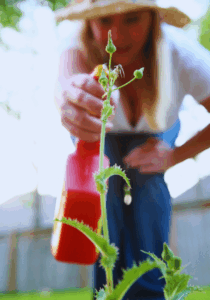 Fall weed control may need both products. They serve different purposes.
When You Still Need Post-Emergent
If weeds sprout before you apply pre-emergent, you must use post-emergent herbicide. Pre-emergent cannot kill established weeds.
Why Pre-Emergent = Prevention & Post-Emergent = Cleanup
Pre-emergent stops weed seeds. Post-emergent kills weeds that already broke through the soil. Each product handles a different part of the problem.
Using Both in a Fall Weed Control Plan
A strong fall weed control plan uses prevention first and cleanup second. This simple plan keeps your lawn cleaner through winter and early spring.
FAQ — When to Apply Pre-Emergent in Fall
When exactly should I apply fall pre-emergent in Texas?
Apply in early fall before winter weeds germinate.
Can I apply fall pre-emergent too early?
Yes. Early applications break down before weeds begin sprouting.
What if I miss the fall window?
Use a post-emergent herbicide to control weeds that sprout.
Will one fall application last all winter?
Most formulas provide protection for several months.
Do warm-season grasses need fall pre-emergent?
Yes. Bermuda, Zoysia, and St. Augustine benefit from fall protection.
Get Fall Pre-Emergent Treatment That Actually Works in Dallas, TX
 If you want a clean lawn through winter and spring, fall pre-emergent makes the biggest difference. Lawn Sense applies fall pre-emergent at the right time, with the right coverage, for Dallas lawns
Lawn Sense means no nonsense.
Request your Fall Pre-Emergent Treatment today and stop weeds before they ever sprout.