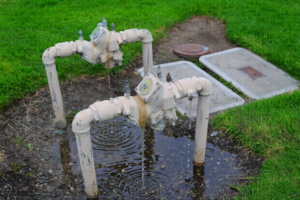
A backflow preventer can leak due to debris in the valve, worn seals, high water pressure, freeze damage, corrosion, or failed parts. A small amount of water during testing or pressure changes may be normal. However, continuous leaking usually means the backflow preventer needs inspection, repair, or replacement.
Not every leak means the assembly has failed. The location of the leak often helps identify the problem. Water leaking from the relief valve has different causes than water leaking from the valve body or pipe connections.
This guide explains why backflow preventers leak, when the leak is normal, and when it’s time to call a certified backflow technician.
 Quick Takeaways
- A few drops of water can be normal during testing or pressure changes.
- Continuous leaking usually means something is wrong.
- Dirt and debris are common causes of leaks.
- Worn seals and failed check valves can allow water to escape.
- Freeze damage can crack the backflow preventer.
- Annual testing helps catch problems before they become expensive.
Is It Normal for a Backflow Preventer to Leak?
Yes. A backflow preventer may release a small amount of water during testing or when water pressure changes. Continuous leaking is not normal. It usually means the assembly needs maintenance or repair.
The relief valve is designed to release water under certain conditions. This protects your drinking water if the pressure changes suddenly.
The leak should stop once the pressure returns to normal.
If water continues dripping, running, or spraying, there is likely another problem.
The location of the leak also matters. A leaking relief valve points to different issues than a leaking shutoff valve or cracked valve body.
Reasons Your Backflow Preventer Is Leaking
1. Debris Is Preventing the Valve From Sealing
Dirt, sand, and small rocks can enter the backflow preventer over time.
Even tiny pieces of debris can stop the internal check valves from closing completely. When this happens, water can leak through the relief valve.
This is one of the most common causes of a leaking backflow preventer.
A certified technician can often clean the assembly and remove the debris.
2. Worn Seals or O-Rings
Rubber seals do not last forever. Over time, they become hard, brittle, or cracked. Once they wear out, water can leak around them.
Frequent use, age, and changing temperatures all speed up this wear.
Replacing worn seals often solves the problem.
3. A Check Valve Has Failed
The check valves stop contaminated water from flowing backward into your clean water supply.
If one fails, water can pass through the assembly when it shouldn’t. This often causes water to leak from the relief valve.
Failed check valves usually need professional repair or replacement.
4. High Water Pressure
High water pressure puts extra stress on every plumbing fixture in your home. It also puts extra pressure on your backflow preventer.
If the pressure becomes too high, the relief valve may begin leaking.
Sometimes the real problem is a faulty pressure-reducing valve elsewhere in the plumbing system.
5. Freeze Damage
Freezing temperatures can crack a backflow preventer.
Water expands as it freezes. This expansion can split the brass body or damage internal parts. Once the ice melts, water escapes through the cracks.
If you notice visible cracks, the assembly usually needs to be replaced.
6. Corrosion or Mineral Buildup
Hard water leaves behind mineral deposits. Over time, these deposits build up inside the valve.
Rust and corrosion can also damage the internal parts. Both problems make it harder for the valve to seal properly. As the buildup grows, leaks become more likely.
7. The Backflow Preventer Has Reached the End of Its Life
Backflow preventers wear out over time.
Most last many years with proper maintenance. However, repeated repairs eventually become less practical.
If your assembly frequently leaks or fails testing, replacement may save money in the long run.
A certified technician can tell you which option makes the most sense.
Can You Fix a Leaking Backflow Preventer Yourself?
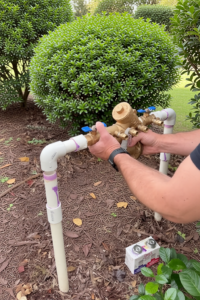
Sometimes. You can safely inspect the assembly for obvious problems.
Look for:
- Loose fittings
- Visible cracks
- Ice damage
- Water around the relief valve
- Dirt or debris around the assembly
Do not take the backflow preventer apart.
These devices protect your drinking water. They must work exactly as designed.
Many states and cities require certified testing after repairs. In many cases, only a certified backflow technician can perform that testing.
 When Should You Call a Professional?
Call a professional if:
- The leak never stops.
- Water is spraying from the assembly.
- The backflow preventer froze during winter.
- Your water pressure suddenly drops.
- The assembly fails its annual inspection.
- The leak returns after a previous repair.
Waiting usually makes the problem worse. Small leaks often become larger leaks over time.
How Can You Prevent Future Backflow Preventer Leaks?
Regular maintenance is the best way to prevent leaks. Here are a few simple ways to protect your backflow preventer:
- Schedule annual backflow testing.
- Winterize the assembly before freezing weather.
- Keep dirt and debris away from the valve.
- Watch for sudden changes in water pressure.
- Have the assembly inspected every year.
- Replace worn parts before they fail.
Routine maintenance helps your backflow preventer last longer and lowers the chance of unexpected repairs.
Frequently Asked Questions
Why is my backflow preventer leaking from the relief valve?
The relief valve may leak during pressure changes or testing. If the leak continues, debris, worn seals, a failed check valve, or high water pressure could be the cause.
Is it safe to use water if my backflow preventer is leaking?
A few drops during testing are usually normal. Continuous leaking should be inspected as soon as possible to make sure your drinking water remains protected.
Can high water pressure cause a backflow preventer to leak?
Yes. High water pressure can force the relief valve to open or damage internal parts over time.
Should a backflow preventer drip all the time?
No. A backflow preventer should not drip continuously. Ongoing leaks usually mean the assembly needs repair or replacement.
How long does a backflow preventer typically last?
Most backflow preventers last 10 to 20 years. Their lifespan depends on water quality, climate, maintenance, and how often the system is used.
Need Backflow Preventer Repair or Testing?
 Don’t ignore a leaking backflow preventer. While an occasional drip can be normal, continuous leaking usually means the assembly needs attention. Fixing the problem early can prevent water waste, protect your drinking water, and help you avoid more expensive repairs later.
Lawn Sense means no nonsense. If your backflow preventer is leaking or it’s time for your annual inspection, contact Lawn Sense today to schedule professional backflow testing and repair. Our certified team will find the problem, make the necessary repairs, and help keep your irrigation system safe and working properly.