 If your Texas lawn looks dull or patchy even with proper watering, your soil may be starving.
A nutrient deficiency happens when the soil lacks the essential elements that grass needs to grow strong, green, and dense.
Texas lawns face extra challenges. The soil is often clay-heavy or alkaline, the sun burns hot, and rainfall patterns swing from drought to flood. Those conditions can trap nutrients or wash them away, leaving your grass weak and faded.
Let’s look at how to spot the warning signs early—and how to bring your lawn back to life.
Quick Takeaways
- Pale, yellow, or purple grass usually means a nutrient imbalance.
- Nitrogen, phosphorus, and iron are the most common deficiencies in Texas lawns.
- High soil pH and heat stress make nutrients harder to absorb.
- Soil testing is the fastest way to confirm what’s missing.
- The right fertilizer mix and timing restore a lush green lawn.
Why Texas Lawns Are Prone to Nutrient Deficiencies
Texas soil doesn’t always play nice with grass. In many areas, the ground is packed with clay or high in limestone, which drives up pH and locks nutrients out of reach. Other regions have sandy soil that drains too fast, taking fertilizer with it.
Most lawns in Texas include warm season grasses—St. Augustine, Bermuda, or Zoysia. These grasses thrive in heat but depend on steady nutrient levels to stay thick and healthy. When nutrients disappear, the blades turn pale, thin out, or lose their bounce after mowing.
Add drought, summer heat, and changing irrigation cycles. Even a well-cared-for yard can show signs of stress.
The Most Common Nutrient Deficiencies in Texas Lawns (and Their Symptoms)
Every nutrient plays a specific role in a lawn’s health. When one goes missing, the symptoms often appear in color, texture, or growth pattern.
1. Nitrogen Deficiency
Symptoms: Grass turns light green or yellow. Growth slows. Turf looks thin. The lower blades fade first.
Why it happens: Nitrogen leaches out quickly with heavy watering or rain. Frequent mowing also removes nitrogen stored in clippings.
Fix: Apply a slow-release nitrogen fertilizer. Feed lightly and regularly during the growing season to protect your lawn from sudden shocks.
2. Phosphorus Deficiency
Symptoms: Grass takes on a dark green or purplish tint. Roots stay short and weak. Recovery after mowing slows down.
Why it happens: Texas soil often has high pH, which binds phosphorus and keeps it from reaching the roots.
Fix: Only apply a phosphorus-based fertilizer after a soil test confirms the need. Overuse can harm the environment and waste money.
3. Potassium Deficiency
Symptoms: Leaf tips and edges turn brown. Grass wilts fast in heat or drought. Recovery after stress is poor.
Why it happens: Potassium leaches out of sandy or over-watered soil. High heat and low humidity speed up the loss.
Fix: Apply a potassium-rich fertilizer before the hottest months. This helps grass blades retain water and stay resilient.
4. Iron Deficiency
Symptoms: Grass blades turn yellow between veins while the veins stay green. New growth looks weak and pale.
Why it happens: In clay or alkaline soil, iron binds to minerals and becomes unavailable to roots.
Fix: Apply chelated iron directly to the lawn. You can also lower soil pH slightly to improve absorption.
5. Magnesium or Calcium Deficiency
Symptoms: Yellowing or curling leaves, weak new growth, and uneven patches across the yard.
Why it happens: Imbalanced soil, competition from other nutrients, or excess potassium can block uptake.
Fix: Add dolomitic lime for magnesium or gypsum for calcium. Both improve soil structure and strengthen root systems.
How to Tell If It’s a Nutrient Deficiency (and Not Disease or Water Issues)
A sick lawn doesn’t always mean poor soil. The symptoms of nutrient loss, disease, and drought can look similar, but patterns tell the story.
- Nutrient deficiency: Even color change across large areas.
- Disease: Irregular spots or rings that spread unevenly.
- Drought or irrigation issues: Dry, crispy edges or footprints that linger.
If you’re unsure, start with a soil test. It costs less than guessing and saves you from treating the wrong problem. You can buy a home testing kit or contact a local lawn care service in Dallas for professional analysis.
How to Fix Nutrient Deficiencies in Texas Lawns
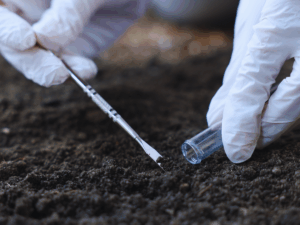 Fixing a nutrient imbalance takes a plan, not a quick dump of fertilizer. Here’s how to do it right.
Step 1: Test Your Soil
Before applying anything, find out what your lawn lacks. A basic test reveals pH levels and nutrient content.
Step 2: Adjust pH Levels
Aim for a range between 6.0 and 7.0 for warm season grasses. If your soil is too alkaline, use sulfur products to lower pH gradually.
Step 3: Apply the Right Fertilizer
Match the N-P-K ratio to your test results. Too much of one nutrient can block another. For example, high phosphorus can prevent iron absorption.
Step 4: Use Micronutrient Supplements
Add iron, magnesium, or calcium if the test calls for them. Use chelated forms for better absorption.
Step 5: Aerate and Water Properly
Aeration opens compacted soil and lets water and nutrients reach deeper roots. Water deeply and less often to encourage strong root development.
Step 6: Feed by Season
Spring and early fall are the best times to restore nutrients in warm season grasses. Avoid heavy fertilization during extreme heat.
Pro Tip: Organic fertilizers improve soil health over time. They feed microbes, boost structure, and reduce the risk of burning roots under the Texas sun.
Preventing Future Nutrient Deficiencies
Once you’ve corrected your lawn’s diet, keep it steady.
- Follow a consistent fertilization schedule.
- Mow high and leave clippings on the grass. They recycle nitrogen back into the soil.
- Top-dress with compost once a year to add organic matter.
- Aerate compacted areas in spring or fall.
- Test soil every 12–18 months to stay ahead of problems.
These habits protect your lawn through the ups and downs of Texas weather and help maintain a healthy green surface year-round.
FAQ — Texas Lawn Nutrient Deficiency Questions
How do I know if my lawn needs fertilizer or has a deficiency?
If your grass stays yellow or slow even with proper watering, it’s likely missing nutrients. Soil testing confirms exactly what’s lacking.
Why does my grass stay yellow even after fertilizing?
It may have iron or magnesium deficiency caused by high pH. Nutrients exist in the soil but remain locked away.
What’s the best fertilizer for Texas lawns?
Use a slow-release formula with balanced nitrogen, phosphorus, and potassium, plus micronutrients like iron for deeper color.
Can too much fertilizer cause damage?
Yes. Overfertilizing burns roots, builds salt in the soil, and weakens your grass. Always follow your soil test or a professional plan.
How often should I test my soil in Texas?
Once every one to two years is enough for most homeowners. Test again if you notice fading color or poor growth.
Give Your Texas Lawn the Nutrients It Deserves
 If your lawn’s color fades no matter how often you water, your soil is probably missing something. Don’t guess—get it tested.
Lawn Sense provides soil testing and lawn fertilization services throughout Dallas, TX and surrounding areas. We identify what your lawn needs, apply balanced treatments, and protect your lawn’s health through every Texas season.
Because Lawn Sense means no nonsense.
We feed your grass what it needs, when it needs it—so you can enjoy a thick, green yard that actually looks alive.