Yes, a soil test is the best way to determine what nutrients your lawn actually needs before applying fertilizer. Soil testing finds nutrient shortages, pH problems, and soil issues that can slow grass growth. It helps homeowners avoid wasted fertilizer, weak results, and extra lawn care costs.
Many homeowners assume their lawn needs more fertilizer when it starts looking thin, yellow, or unhealthy. The problem is that grass symptoms often have multiple causes. Poor soil pH, nutrient imbalances, compacted soil, or low organic matter can all affect lawn performance.
Applying fertilizer without understanding what is happening beneath the surface can waste money and sometimes make problems worse.
A soil test removes guesswork and helps create a fertilization plan based on real soil conditions, not assumptions.
Quick Takeaways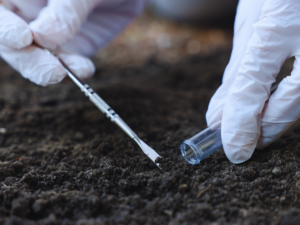
- Soil testing removes the guesswork from lawn fertilization
- A soil test reveals nutrient deficiencies and pH problems
- Applying fertilizer without testing can waste money and harm your lawn
- Dallas-area soils often have unique nutrient and compaction challenges
- Soil test results help create a targeted fertilization plan
- Professional lawn fertilization services can use soil data to improve results
What Is a Soil Test?
A soil test checks your lawn’s soil. It measures nutrients, soil pH, organic matter, and other factors that affect turf health. The process typically involves collecting a soil sample from multiple areas of your lawn and submitting the samples for testing through a laboratory or extension office.
Once the analysis is complete, you get soil test results. They show which nutrients are present and which may be lacking. They also show if the soil conditions support healthy grass growth.
Instead of guessing which fertilizer to use, soil tests provide data that helps homeowners make informed lawn care decisions.
What a Soil Test Can Reveal
A professional soil test can provide valuable information about:
- Soil pH
- Nitrogen levels
- Phosphorus levels
- Potassium levels
- Organic matter content
- Micronutrient deficiencies
- Nutrient availability
- Overall soil health
This information helps determine exactly what your lawn needs and what it does not need.
Why Fertilizing Without a Soil Test Can Be a Costly Mistake
Many homeowners believe fertilizer is a cure-all for lawn problems. If the grass looks weak, they apply more fertilizer. If growth slows down, they apply another treatment.
Unfortunately, lawn care is not that simple.
A lawn may struggle because of poor soil pH, compacted soil, drainage problems, irrigation issues, or nutrient deficiencies that standard fertilizer cannot correct. Without soil test results, you are essentially making an educated guess.
That guess can become expensive over time.
Common Problems Caused by Guessing
Applying fertilizer without conducting soil tests can lead to several issues:
- Nutrient imbalances that limit grass growth
- Excess fertilizer applications that burn turf
- Weak root development
- Increased lawn stress during heat and drought
- Unnecessary spending on products that are not needed
In some cases, lawns get plenty of nutrients but still struggle because soil pH stops roots from absorbing them well.
Signs Your Lawn May Need a Soil Test
 A soil test can help identify the cause of many common lawn problems.
Consider testing your soil if you notice:
- Slow growth despite regular watering
- Thin grass coverage
- Yellowing turf
- Bare patches throughout the lawn
- Poor response after fertilizing
- Recurring weed infestations
- Areas that consistently underperform
These symptoms often point to underlying soil issues that cannot be diagnosed by appearance alone.
How Dallas Soil Conditions Affect Lawn Fertilization
Dallas-area lawns face unique challenges that make soil testing particularly valuable. High temperatures, heavy clay soils, and periods of drought can all influence nutrient availability and lawn performance.
Understanding local soil conditions helps create a more effective fertilization strategy.
Clay Soil Challenges
Much of North Texas contains clay-heavy soil. Clay soil can hold nutrients well, but it also compacts easily and can create drainage problems.
When soil becomes dense, roots struggle to expand and access the nutrients they need. This can lead to poor lawn performance even when fertilizer is being applied regularly.
Soil Compaction and Nutrient Availability
Compacted soil reduces air circulation, water infiltration, and root growth. As a result, grass may not efficiently access available nutrients.
Many homeowners think they need more fertilizer, but roots often cannot use the nutrients already in the soil.
Why pH Matters in North Texas Lawns
Soil pH plays a major role in nutrient absorption. Even when nutrient levels are adequate, an unfavorable soil pH can limit how effectively grass roots absorb them.
A soil test measures soil pH and helps identify whether adjustments may be necessary to improve nutrient availability.
How a Soil Test Helps Build a Better Fertilization Plan
 The best fertilization programs are based on facts, not assumptions.
A soil test helps create a customized approach by identifying:
- Exactly which nutrients are needed
- Areas where fertilizer applications can be reduced
- Potential pH corrections
- Organic matter deficiencies
- Long-term soil improvement opportunities
Using soil test results allows lawn care professionals to apply the right products at the right time and in the right amounts.
The result is often healthier roots, stronger turf, and more consistent lawn performance throughout the growing season.
When Should You Test Your Lawn Soil?
Most experts recommend testing lawn soil every two to three years.
However, more frequent testing may be beneficial if:
- You are establishing a new lawn
- You recently moved into a home
- Your lawn has persistent health issues
- You are making major changes to your fertilization program
Spring and fall are typically the best times to collect a soil sample because the results can guide upcoming lawn care treatments.
DIY Soil Tests vs Professional Soil Analysis
DIY soil tests can provide basic information and may be useful for homeowners seeking a quick snapshot of soil conditions.
However, professional soil analysis generally provides more detailed and accurate information.
Professional testing often includes:
- Comprehensive nutrient analysis
- Precise soil pH measurements
- Organic matter evaluation
- Fertilizer recommendations
- Soil improvement guidance
Many extension office programs and certified labs offer testing services. These services give more useful information than most home test kits.
For homeowners who want the most accurate results, professional analysis is usually the better investment.
FAQ
How often should I test my lawn soil?
Most lawns benefit from soil testing every two to three years. More frequent testing may be recommended when establishing a new lawn or addressing ongoing turf problems.
Can a soil test tell me what fertilizer to use?
Yes. Soil test results often include fertilizer recommendations based on current nutrient levels and soil conditions. These recommendations help eliminate guesswork.
Is soil testing worth the cost?
In many cases, yes. Soil tests can prevent unnecessary fertilizer purchases, improve lawn health, and help identify issues that might otherwise go undiagnosed.
Can too much fertilizer damage my lawn?
Yes. Excess fertilizer can burn grass, increase stress during hot weather, contribute to nutrient imbalances, and encourage excessive top growth at the expense of root development.
What is the ideal soil pH for most lawns?
Most turfgrass species perform best when soil pH falls between approximately 6.0 and 7.0, although the ideal range can vary depending on grass type.
Get More From Every Fertilizer Application
 Stop guessing and start building a healthier lawn with a fertilization plan based on real soil data. Lawn Sense provides professional lawn fertilization services throughout Dallas, TX, helping homeowners identify nutrient deficiencies, improve soil health, and achieve stronger, greener turf.
Our approach starts with understanding what your lawn actually needs before recommending treatments. That means smarter fertilization, better results, and less wasted money.
Contact Lawn Sense today to learn how professional lawn fertilization can help your lawn thrive. Lawn Sense means no nonsense.