If your lawn has yellow or brown patches that keep spreading no matter how much you water, chinch bug lawn damage may be the cause. Chinch bugs are small insects that feed on grass by sucking plant fluids and injecting toxins into the plant. This damage prevents grass from moving water properly, causing symptoms that often look like drought stress, sprinkler problems, or lawn disease.
The challenge is that many homeowners don’t realize they have a pest problem until significant turf damage has already occurred. Learning how to identify chinch bug damage early can help protect your lawn and prevent expensive repairs.
Quick Takeaways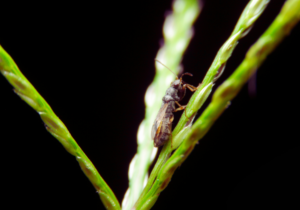
- Chinch bug damage often looks like drought stress
- Yellow patches usually appear before grass turns brown
- Extra watering will not stop an active infestation
- Bermudagrass is especially vulnerable during hot weather
- Damage often starts in sunny, stressed areas of the lawn
- Early treatment helps prevent large dead patches
What Does Chinch Bug Lawn Damage Look Like?
Chinch bug damage rarely appears overnight. Most infestations begin with small areas of stressed grass that gradually expand as the insect population grows.
Early Signs of Chinch Bug Activity
The first signs can be easy to miss.
Look for:
- Yellowing grass blades
- Wilting despite adequate watering
- Small patches of thinning turf
- Damage near sidewalks, driveways, and other hot surfaces
- Areas that seem dry even after irrigation cycles
Since chinch bugs are small, homeowners often assume these symptoms are caused by heat or watering issues.
Advanced Chinch Bug Damage
As the infestation worsens, the damage becomes much more noticeable.
You may see:
- Brown patches expanding outward
- Dead grass that fails to recover
- Irregularly shaped damaged areas
- Large sections of stressed turf
- Areas where the grass appears completely dormant
The damage usually spreads from the center outward as adult chinch bugs continue feeding and reproducing.
Why Chinch Bugs Kill Grass
Many homeowners assume insects simply chew on grass blades. Chinch bugs damage turf differently.
Adult chinch bugs use piercing mouthparts to extract fluids from grass plants. During feeding, they also inject toxins that interfere with the plant’s ability to move moisture.
The result is a lawn that behaves as though it is suffering from severe drought, even when sufficient water is available.
Several factors contribute to chinch bug damage:
- Sap extraction weakens grass plants
- Toxin injection disrupts normal plant functions
- Water movement inside the plant becomes restricted
- Heat stress intensifies the damage
This combination allows relatively small populations to damage turf surprisingly quickly during hot Dallas summers.
Chinch Bug Damage vs Drought Stress
One reason chinch bug damage is commonly misdiagnosed is that it closely resembles drought stress.
The Lawn Sense Pest Check
Before applying treatments or adjusting your sprinkler system, use this simple Lawn Sense Pest Check to identify possible chinch bug activity.
Inspect the Edge of the Damaged Area
The most active feeding zone is usually where healthy grass meets damaged grass.
Part the grass blades and look closely near the soil surface.
Adult chinch bugs are small and black bodied with white wings folded across their backs. You may also see immature insects that appear reddish or orange.
Perform the Water Float Test
A simple water float test can help reveal hidden insects.
- Remove both ends of a large coffee can.
- Push the can several inches into the soil.
- Fill the cylinder with water.
- Wait several minutes.
- Watch for insects floating to the surface.
This test is often effective for confirming chinch bug activity before treatment begins.
Look for Heat-Stressed Turf
Chinch bugs frequently target lawns that are already under stress.
Pay close attention to:
- Full-sun areas
- Thin turf
- Dry spots
- Compacted soil
- Areas with excessive thatch accumulation
A thick thatch layer can create ideal conditions for chinch bugs by providing shelter and protection.
What Causes Chinch Bug Infestations?
While chinch bugs can appear in many lawns, certain conditions increase the likelihood of an infestation.
Common risk factors include: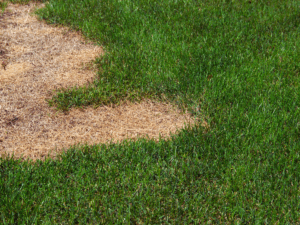
- Excessive heat
- Drought conditions
- Thick thatch layer buildup
- Poor lawn health
- Soil compaction
- Irrigation issues
- Stressed Bermudagrass
Dallas lawns often experience several of these conditions simultaneously during summer, creating an ideal environment for population growth.
Preventing chinch bugs often starts with improving overall lawn health and reducing turf stress.
Can Chinch Bug Damage Be Repaired?
In many cases, yes.
The extent of recovery depends on how long the infestation has been active and how severely the grass has been damaged.
If the roots remain healthy, grass may recover after treatment and proper irrigation.
However, areas with extensive turf loss may require:
- Reseeding
- Sod replacement
- Lawn renovation
- Soil improvements
The most important step is eliminating the insects before attempting repairs. Restoring damaged areas without addressing the infestation usually leads to repeated problems.
How Professional Lawn Pest Control Helps
Many lawn problems produce similar symptoms. Heat stress, disease, irrigation failures, and insect activity can all create yellow or brown patches.
Professional lawn pest control helps identify the true cause.
A targeted treatment program may include:
- Accurate diagnosis
- Inspection of affected areas
- Targeted pest treatments
- Lawn monitoring
- Prevention strategies
- Long-term turf health improvements
Professionals may also recommend products labeled specifically for chinch bug control when treatment is necessary.
FAQ About Chinch Bug Lawn Damage
Will grass grow back after chinch bug damage?
Grass can recover if the roots remain healthy and the infestation is treated early. Severely damaged areas may require reseeding or sod replacement.
What time of year are chinch bugs most active?
Chinch bugs are typically most active during late spring, summer, and early fall when temperatures are high and lawns experience greater stress.
Can overwatering stop chinch bug damage?
No. Additional watering does not eliminate chinch bugs. In many cases, homeowners waste water because they mistakenly believe drought is causing the problem.
How fast does chinch bug damage spread?
Damage can spread rapidly during hot weather. Large infestations may expand damaged areas over several weeks if left untreated.
Do chinch bugs only attack Bermudagrass?
No. While Bermudagrass is commonly affected in North Texas, chinch bugs can damage other turfgrass varieties as well.
Protect Your Dallas Lawn From Chinch Bugs
 Chinch bug lawn damage is often mistaken for drought stress, lawn disease, or sprinkler problems. The longer an infestation remains active, the more turf it can destroy.
If yellow or brown patches continue spreading despite proper watering, it’s time for a professional evaluation.
Lawn Sense provides lawn pest removal services throughout Dallas and surrounding communities. Our team can identify active infestations, develop targeted treatment plans, and help restore healthy turf before minor damage turns into a major lawn renovation project.
Contact Lawn Sense today to schedule a lawn inspection. Lawn Sense means no nonsense.