Many homeowners ask an important question before treating their lawn: is pre-emergent safe for dogs? The short answer is yes, most pre-emergent herbicides are safe for dogs once the product has dried or been watered into the soil. Problems usually occur only during application or before the treatment settles into the soil.
Pet safety depends on a few factors, including the active ingredients in the product, how the treatment is applied, and whether proper lawn care practices are followed. Dogs should avoid the treated area until the product has bonded with the soil and the lawn treatment is fully settled.
In this guide, we’ll explain how pre-emergent herbicides work, when dogs can safely return to the lawn, and how homeowners can use these treatments responsibly while preventing weeds.
Quick Takeaways
 Most pre-emergent herbicides are safe for dogs once the product dries or is watered into the soil.
- Pets should stay off the lawn during application and for several hours afterward.
- Granular products usually become safe once they are watered into the soil barrier.
- Liquid treatments typically become safe once the lawn surface is completely dry.
- Following proper lawn care guidelines reduces the risk of pet exposure.
- Professional application helps ensure safe and effective weed control.
Is Pre-Emergent Safe for Dogs?
Yes, most pre-emergent herbicides are considered pet safe when used properly. These products are designed to target weed seeds during early seed germination, not animals or mature plants.
Potential issues usually occur when pets:
- walk across wet herbicide during application
- ingest loose granules
- come into contact with concentrated chemicals
Once the product settles into the soil and binds to the surface, exposure risk drops significantly. When applied correctly and allowed to dry or be watered in, pre-emergent safe lawn treatments pose minimal risk to pets.
How Pre-Emergent Herbicides Work
To understand why these treatments can be safe around pets, it helps to understand how they work.
Pre-emergent herbicides prevent weed seeds from germinating. Instead of killing mature weeds, they stop weeds before they appear by interfering with early root development.
When you apply pre-emergent, the product forms a protective barrier in the soil. When weed seeds begin to sprout, the herbicide interrupts root growth during the seed germination stage, preventing the plant from establishing.
These treatments are highly effective at controlling invasive weeds such as crabgrass and certain broadleaf weed varieties. Because they target seeds rather than mature plants, they differ from post emergent herbicides, which kill weeds that have already grown.
When Can Dogs Safely Return to the Lawn?
In most cases, dogs can return to the lawn once the treatment has settled and the treated area is no longer wet.
Typical guidelines include:
- Granular treatments: safe once watered into the soil
- Liquid applications: safe once the lawn surface is completely dry
Watering granular treatments helps move the active ingredients into the soil, where they begin stopping weed growth. Drying allows liquid treatments to bind to the soil surface.
Weather conditions, irrigation, and temperature can all affect drying time. For many lawns, waiting several hours after application is usually enough.
Potential Risks of Pre Emergent for Dogs
Although most treatments are safe before weeds appear, risks can occur if pets enter the lawn too soon.
Possible exposure scenarios include:
- licking treated grass
- ingesting loose granules
- contact with wet herbicide during application
These situations may cause mild symptoms, like skin irritation or stomach upset, if a dog eats lawn chemicals.
However, most issues occur before the treatment has been watered in or dried. Once the product has settled into the soil, exposure levels drop dramatically.
How to Use Pre Emergent Safely Around Pets
Responsible lawn care practices help ensure treatments remain pet safe.
Homeowners can reduce risk by following these simple steps:
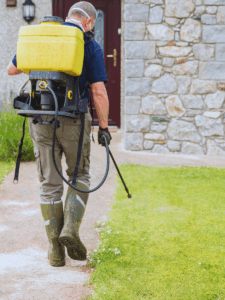 keep dogs indoors during application
- water granular products into the soil after application
- follow label directions for the product used
- avoid applying treatments near pet bowls, toys, or play areas
These steps allow the herbicide to settle properly into the soil while minimizing the chance of pet exposure.
Common Lawn Care Mistakes That Can Put Pets at Risk
Many safety issues happen when homeowners make simple lawn care mistakes.
Common problems include:
- allowing pets into the yard during treatment
- applying too much herbicide
- failing to water in granular products
- storing lawn chemicals improperly
Overapplication can also increase the chance of exposure. Using the correct amount ensures effective weed control while keeping the lawn safer for pets.
Why Professional Lawn Care Helps Protect Pets
Professional lawn care services help ensure treatments are applied safely and effectively.
Experienced lawn care technicians understand:
- the correct application rates
- proper seasonal timing
- safe handling of herbicides
- the best strategies for stopping weeds before they grow
Professionals also understand how to select products with appropriate active ingredients and apply them evenly across the lawn. This reduces the chance of uneven treatment or chemical buildup.
Professional lawn care helps homeowners maintain healthy turf while preventing weeds without unnecessary risk to pets.
FAQ About Pre Emergent and Dog Safety
How long should dogs stay off the lawn after pre emergent?
Dogs should remain off the lawn until the treatment has either been watered into the soil or completely dried. This typically takes several hours depending on weather conditions and irrigation.
Can dogs get sick from lawn herbicides?
Illness is rare when products are used properly. However, ingesting concentrated herbicides or large amounts of lawn chemicals may cause stomach upset, vomiting, or skin irritation. If a pet shows symptoms after exposure, contacting a veterinarian is recommended.
Are granular pre emergent herbicides safer than liquid products?
Granular treatments are often considered easier to manage around pets because they are watered into the soil quickly. Liquid treatments must fully dry before pets return to the lawn.
What should I do if my dog eats lawn treatment?
If your dog ingests lawn treatment, check the product label for the active ingredients and contact your veterinarian. Providing details about the product can help determine whether medical care is necessary.
Are natural weed prevention methods safer for pets?
Some natural lawn treatments exist, including products made with corn gluten meal, which can help reduce weed growth naturally. However, these alternatives may not provide the same level of weed control as traditional pre emergent herbicides.
Protect Your Lawn With Pre-Emergent Treatments From Lawn Sense
 Homeowners across Dallas, TX and surrounding areas trust Lawn Sense to stop weeds before they take over their lawns. Our Pre-emergent treatment services are designed to prevent invasive weeds while keeping your lawn healthy and safe for your family and pets.
Our team applies treatments at the right time of year using proven lawn care practices that protect your grass and reduce weed pressure throughout the season. We carefully select products and apply them properly so they work effectively while remaining pet safe.
At Lawn Sense, we believe lawn care should be simple and effective, because Lawn Sense means no nonsense.
If you want a healthier lawn with fewer weeds this season, our team is ready to help.