Outdoor Lawn Pest Control In Arlington
Does your Arlington lawn look amazing in spring, only to fall apart by summer? Brown patches show up. The grass feels spongy under your feet. Little mounds appear out of nowhere.
If you’re nodding along, you’re likely dealing with lawn pests.
Grub worms, armyworms, and fire ants damage lawns all over Arlington every year. They feed on grass roots, chew through blades, and even create safety hazards for your family and pets.
Here’s the good news: catching the warning signs early stops extensive damage and keeps your treatment costs down. Most homeowners just don’t know what to look for until the damage spreads across the whole yard.
That’s exactly where professional Lawn Pest Control in Arlington, TX makes a real difference. The right treatment plan stops pests fast and protects your lawn for months.
So grab a cup of coffee, and let’s walk through it together. I’ll show you how the experts spot these pests and get rid of them for good.
Key Takeaways
- Arlington lawns face threats from grub worms, armyworms, and fire ants that damage grass roots, chew blades, and create safety hazards for families.
- Early pest detection stops extensive lawn damage and reduces treatment costs before infestations spread across your entire yard.
- Lawn Sense offers professional grub worm, armyworm, and fire ant removal services using integrated pest management and proven elimination techniques.
- Professional inspections identify pest problems accurately and lead to customized treatment plans based on your specific infestation level and lawn conditions.
- Year-round seasonal pest control protects Arlington lawns from future infestations while keeping your grass healthy through changing weather.
 Lawn Sense: Expert Lawn Pest Control in Arlington
Lawn Sense brings years of pest control knowledge right to your Arlington yard. You get expert help identifying and removing the lawn pests that damage your grass and soil.
Specialization in Identifying and Eliminating Common Lawn Pests
Your Arlington lawn faces constant threats from destructive pests. Lawn Sense specialists identify and eliminate these common invaders using proven methods that protect your property.
Here’s what our team watches for, and why each sign matters:
- Grub worms feed on grass roots and cause serious damage, showing up as brown patches and soft soil spots where larvae are feeding below the surface.
- Bird and animal activity signals trouble. Extra digging, pecking, or unusual wildlife visits often mean grubs or other larvae are living underground.
- Armyworms cause fast, widespread damage. Watch for visible caterpillars, wilting grass blades, and irregular bare patches across your lawn.
- Fire ants threaten both your family’s safety and your lawn’s health, building visible mounds and stinging when disturbed during yard work or play.
Want a quick way to judge grub severity yourself? According to Texas A&M AgriLife Extension’s turfgrass entomology guidance, you can dig several 1-square-foot holes about 6 inches deep and count the grubs. Fewer than 5 grubs per square foot usually won’t cause significant damage, while higher counts mean it’s time to treat.
That simple check tells you whether you’re looking at a minor nuisance or a real infestation. It’s the same science-backed sampling method our team uses in the field.
Beyond identification, our approach focuses on prevention and safer treatments:
- Lawn texture monitoring: Thinning grass and rough patches reveal pest activity that needs professional assessment and targeted treatment.
- Integrated pest management: We use compost and natural products to manage pests without harsh chemicals that harm your family or soil.
- Environmental strategies: Landscape management and habitat reduction remove the conditions that attract pests in the first place.
- Early warning training: We help you recognize the first signs of trouble before damage becomes severe and expensive to repair.
Grub Worm Removal Services
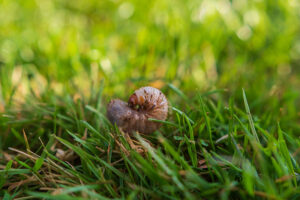
Grub worms destroy your lawn from below the soil surface, and you need professional help to stop them. These small, C-shaped white larvae feed on grass roots, which causes brown, dying patches to appear across your yard.
You might notice your lawn feels soft and spongy underfoot, or grass lifts easily from the soil even after regular watering. Increased bird activity, plus moles, raccoons, and skunks digging in your yard, signals that grubs are present and feeding.
Lawn Sense experts spot these signs quickly and apply effective treatments before extensive damage spreads through your property.
Here’s a real example of how we work. During a recent inspection across a 10,000 square foot Arlington yard, Lawn Sense technicians dug 30 random samples to verify grub presence and distribution:
| Sample Results | Number of Samples |
|---|---|
| Three or more C-shaped grubs | 12 |
| One to two grubs | 8 |
| No grubs found | 10 |
The damage lined up directly with patches where three or more grubs were found and where turf lifted easily from the soil. Grub clusters concentrated in soft, sun-exposed areas, matching the brown patches the homeowners had reported.
This sampling approach confirms how bad the infestation is. It also helps us target treatment to the exact areas that need it most.
Grub damage reduces water and nutrient absorption in grass, so fertilizer alone can’t fix it. Patchy growth after fertilizing often points to root damage from grubs, not a nutrient problem.
Lawn Sense offers expert grub worm removal services that stop the infestation at its source. Early detection and professional treatment prevent costly lawn replacement and bring back the healthy yard you deserve.
Armyworm Removal Services
Armyworms can destroy your lawn in just days, leaving thin patches and bare spots that spread fast. Look for small striped caterpillars crawling across your grass, fine silk threads stretching between blades, and greenish-brown fecal pellets scattered on the surface.
Here’s a tip that surprises most homeowners: check your lawn right after it rains. Per Texas Farm Bureau and Texas A&M AgriLife Extension reporting on regional armyworm activity, fall armyworm outbreaks in Texas spike after rainfall combined with mild temperatures. That’s why scouting after rain events works better than checking on a fixed schedule.
Adult moths flying over your lawn in the evenings signal that armyworms have moved in. Increased bird activity often follows as they feast on the infestation.
Lawn Sense provides specialized armyworm removal services that target these pests at every stage. Feeding activity peaks in the early morning and late evening, which helps us time treatments for maximum effect.
How fast do results come? In one 2,400 square foot front lawn with visible armyworm activity, Lawn Sense performed a follow-up inspection 72 hours after treatment:
- Before treatment: an estimated 150 to 200 visible caterpillars and roughly 18 percent turf defoliation.
- Three days later: just three to five caterpillars observed, with defoliation down to around 6 percent and new blade edges intact.
- Recovery: near-complete removal of active caterpillars and visible regrowth at the edges of damaged zones.
That speed matters when a pest can wipe out a lawn in days.
“Armyworms move fast, but our removal services move faster to protect what matters most to you.”
Your lawn regains its healthy appearance and strength through our comprehensive pest control approach.
Fire Ant Removal Services
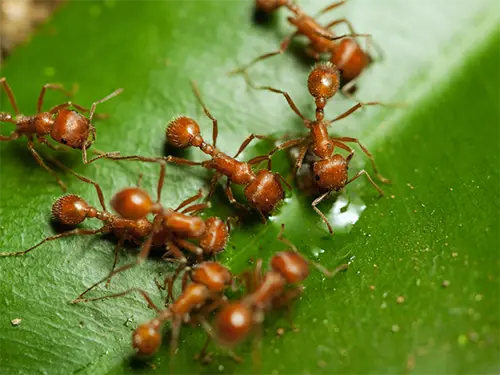
While armyworms attack your grass from above, fire ants strike from below and all around your yard. They build distinctive dome-shaped mounds in open, sunny areas, often appearing overnight and catching you off guard.
These small, reddish-brown to black insects become aggressive when disturbed. Multiple stings on your ankles or legs while you’re in the yard signal fire ant activity that needs immediate attention.
Your lawn also suffers real damage from fire ant colonies that chew plant stems and disturb roots. Brown patches and unhealthy plants spread as these pests feed and tunnel underground.
Why Fire Ants Show Up After Rain
Ever notice mounds popping up right after a storm? Following a moderate summer rain event in Arlington, Lawn Sense inspection teams observed 47 fire ant mounds across 20 residential properties.
About 70 percent of those mounds appeared within 48 hours after the rain. Density ran higher in yards with sparse mulch and direct sun exposure.
This pattern explains why homeowners suddenly spot fire ant activity after storms. It’s also why post-rain monitoring and quick treatment timing matter so much. Ant trails searching for food mean a nearby colony that grows stronger every day without professional help.
The Hidden Threat to Your Home’s Equipment
Fire ants may invade and damage outdoor electrical equipment because they’re drawn to electrical fields, putting your air conditioning unit and other systems at risk.
This isn’t a small problem. According to Texas A&M AgriLife entomology research on red imported fire ants and electrical equipment, fire ants nest inside AC units, transformer boxes, and circuit breakers for warmth and shelter. Statewide, that damage was estimated at $146.5 million per year in Texas.
A mound near your AC unit is worth treating right away, not next weekend.
Lawn Sense delivers fire ant removal services that eliminate these aggressive pests before they cause extensive damage. Our team finds mounds quickly and applies targeted treatments that destroy colonies at their source.
You get protection for your family, your pets, and your property investment. Your yard becomes a safe space where you can enjoy outdoor activities again, without fear of painful stings.
Why Schedule Lawn Sense For Your Lawn Care Pest Control in Arlington, TX?
You gain access to expert professionals who understand exactly what pests damage your lawn and how to stop them fast.
Professional Expertise
Lawn Sense brings real knowledge and skill to your outdoor pest control needs in Arlington. Our team identifies grubs, armyworms, and fire ants with accuracy that DIY methods simply can’t match.
Your lawn faces different pest challenges throughout the year. That’s why our professionals conduct comprehensive lawn inspections to pinpoint exactly what’s threatening your grass and why the problem started.
Your specific pest issues get specific solutions, not generic treatments. Lawn Sense creates customized plans based on your exact infestation level and lawn conditions.
Our experts use integrated pest management, or IPM. Per the U.S. Environmental Protection Agency’s IPM Principles, IPM means combining pest and environmental information with available control methods to prevent unacceptable damage in the most economical way, with the least hazard to people, property, and the environment. The EPA framework even recognizes that a few grubs here and there can be tolerable, so you’re never paying for chemicals your lawn doesn’t need.
Protect Your Arlington Lawn Today
Grub worms, armyworms, and fire ants don’t wait, and neither should you. The sooner you catch them, the less damage they do and the less you spend fixing it.
Professional Lawn Pest Control in Arlington gives you accurate identification, targeted treatments, and year-round protection.
Your lawn can look great again. Lawn Sense is ready to help you make it happen.
F.A.Q.’s – Pest Control in Arlington
1. What pests attack lawns in Arlington?
Chinch bugs, grubs, fire ants, and armyworms cause the most damage here. Arlington’s warm climate stays above 70°F from May through September, so these pests thrive and attack most yards during that window.
2. When should I schedule outdoor lawn pest control?
Schedule your first treatment in early March, right before pest eggs hatch. This timing stops problems before they start. Most Arlington providers suggest follow-up visits every 8 to 10 weeks through fall.
3. Is professional pest control safe for kids and pets?
Yes, licensed technicians in Arlington use EPA-approved products that are safe when applied correctly. Just keep everyone off the grass for 2 to 4 hours until it dries.
4. Can I treat my lawn myself instead of hiring a service?
You can, and products like Scotts GrubEx handle small problems well. Larger infestations, like white grubs under the sod, usually need professional-grade treatments to fully stop the damage.