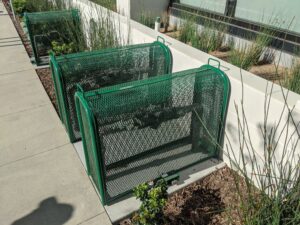
 Backflow often goes unnoticed until an inspection fails. Then, the sprinkler system stops working.
Most failures happen due to simple problems that grow over time. Property owners often miss them because everything looks fine on the surface.
This guide explains why backflow inspections fail and how sprinkler backflow repair fixes the problem.
Quick Takeaways
- Backflow happens when water flows in the wrong direction
- Sprinkler systems fail inspection due to worn parts, debris, or freeze damage
- Annual backflow testing is required by most local codes
- Repairs must be completed by certified technicians
- Ignoring failures can shut down irrigation systems and trigger fines
What Is Backflow?
Backflow occurs when water flowing through a plumbing system reverses direction. Instead of clean water moving outward, contaminated water pushes back into the potable water supply.
How Backflow Happens
Backflow starts when water pressure drops or shifts. Broken or worn valves fail to hold pressure. Improper installation allows reverse flow during system changes.
Why Backflow Is a Problem
Backflow can pull contaminants into clean water supply lines. Cross connection points allow chemicals, dirt, or standing water into the water system. Local codes enforce strict rules to prevent this risk.
What Is a Backflow Preventer on a Sprinkler System?
A backflow preventer is a backflow prevention device installed to stop reverse flow. It keeps contaminated water from entering the potable water supply while the sprinkler system runs.
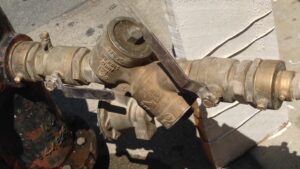 Common Sprinkler Backflow Devices
- Pressure Vacuum Breakers (PVB)
- Reduced Pressure Assemblies (RPX)
These backflow prevention systems protect plumbing systems when functioning correctly.
Why Sprinkler Systems Require Backflow Protection
Sprinkler systems handle lawn chemicals and fertilizers. Water sits in lines between cycles. Standing water exposure increases contamination risk. Backflow prevention devices stop that risk before it reaches drinking water.
Why Backflow Preventers Fail Inspection
Most backflow inspection failures come from wear, damage, or installation errors. These problems develop slowly and often go unnoticed.
1. Worn Internal Parts
Rubber seals wear out. Springs weaken. Check valves stop sealing fully. The backflow preventer stops functioning properly under pressure.
2. Debris and Mineral Buildup
Dirt and sediment collect inside valves. Hard water scale restricts movement. Water flowing through the device loses proper control.
3. Freeze and Weather Damage
Cold weather cracks housings and splits valves. Relief valves fail after freeze exposure. Damage may not show until testing begins.
4. Improper Installation or Height
Incorrect elevation causes pressure problems. Missing drainage violates code. Improper installs fail even if the device looks new.
What Happens When a Sprinkler Backflow Fails?
A failed backflow inspection creates fast consequences for property owners.
Failed Inspections and System Shutdowns
Irrigation cannot run until repairs finish. Re-inspection becomes mandatory before service resumes.
Code Violations and Fines
Cities issue notices with compliance deadlines. Missed deadlines can trigger fines or enforcement actions.
Water Safety Risks
Contaminated water can enter nearby plumbing systems. Cross contamination threatens neighborhood water safety.
Sprinkler Backflow Repair vs Replacement
 Not every failure means full replacement. Some devices need targeted repair.
When a Repair Is Enough
- Minor seal failure
- Isolated valve issues
- Device body passes inspection
When Replacement Is Required
- Cracked body
- Repeated test failures
- Obsolete devices no longer approved
Why Certified Sprinkler Backflow Repair Matters
Backflow inspection and repair require certification. Repairs must meet local code. Documentation proves compliance. DIY fixes fail inspections and delay approval.
Certified technicians restore backflow preventers so they function correctly and protect the clean water supply.
FAQ: Sprinkler Backflow Repair
Why does my backflow fail inspection every year?
Normal wear, debris buildup, and weather exposure cause repeat failures without regular inspections.
Can a sprinkler system run with a failed backflow?
No. Most systems must remain off until the device passes inspection.
How often does backflow testing need to happen?
Most local codes require annual testing.
Is backflow repair cheaper than replacement?
Yes, when damage is limited and the device remains approved.
Who is allowed to repair a sprinkler backflow preventer?
Certified backflow technicians only.
Need Sprinkler Backflow Repair or Testing?
 Lawn Sense provides certified sprinkler backflow testing and repair for property owners across Dallas, TX and nearby areas. We fix failed inspections fast and handle documentation the right way.
Lawn Sense means no nonsense.
Schedule sprinkler backflow repair with Lawn Sense and get your system running again, clean and compliant.