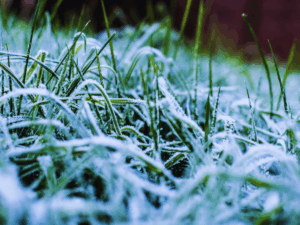
 Sprinkler winterization protects your irrigation system from freeze damage, even in North Texas where winters stay mild most years. A small freeze can crack pipes, break valves, and split a backflow preventer in a few hours.
This guide shows how winter months still threaten your system and what you can do to avoid costly repairs. You will learn why winterizing your system is important. You will also see the steps to take. Finally, you will find out how to check your irrigation parts before it gets cold.
Why Winterizing Your Sprinkler System Matters in Dallas
Dallas gets short bursts of freezing temperatures. You may not see them coming, but they hit hard when they arrive.
A single cold night can split PVC, break fittings, and damage a backflow preventer. Winterizing helps you avoid cracked lines and leaks in spring.
It also protects your electrical system, reduces water waste, and extends the life of your irrigation system. Small steps today save large repair bills later.
Quick Takeaways (What You Need to Know Right Now)
- Turn off the water supply before temperatures drop.
- Blow out all lines to remove trapped water.
- Drain valves, manifolds, and backflow preventers.
- Insulate exposed components including vacuum breakers.
- Check the controller and switch to winter/off mode.
- Schedule a pro service when lines can’t be fully cleared manually.
Full Sprinkler Winterization Checklist (Step-By-Step)
This checklist gives you a simple path to drain the system, remove remaining water, and protect each part before the first cold snap.
1. Shut Off the Sprinkler Water Supply
Find the outdoor shut-off valve or main line inside your home. Close it fully. This stops new water from entering the system and reduces air pressure inside your pipes.
2. Turn Off and Drain the Backflow Preventer
Open the test cocks. Set the ball valves at a 45-degree angle. This reduces stress during freezing temperatures.
Backflow devices are at the highest point in many systems. This makes them the most vulnerable to freezing during winter in Texas.
3. Drain All Manual Valves and Low Points
Look for manual drain valves and low spots in your yard. Use gravity to drain the pumping sections where water collects. This helps when your irrigation system has no blow-out port.
4. Blow Out the Sprinkler Lines (If Your System Supports It)
Attach an air compressor with proper PSI. Blow out each zone until the water clears. Use compressed air with care.
Too much air pressure can break PVC. Move zone by zone until you have drained the water from the pipes.
5. Protect Sprinkler Heads and Manifold Boxes
Walk the yard and inspect each head. Look for dirt, water pooling, and damaged parts. Clear standing water from boxes.
Raise or cap any heads stuck in mud. Freeze damage often starts in these small spots.
6. Insulate Exposed Components
Cover vacuum breakers, copper pipes, and exposed risers. Foam covers and insulation tape work well for local irrigation needs in Dallas. These exposed parts take the direct hit during freezing temperatures.
7. Prep Your Irrigation Controller for Winter Mode
Switch the controller to OFF. Replace worn wires if needed. If you use a smart controller, check freeze-protection settings. It should stop watering during cold nights, but it still will not drain the system for you.
8. Final System Inspection Before First Freeze
Walk the yard again. Look for leaks, soggy soil, and damaged sprinkler heads. Confirm that the backflow preventer is drained and insulated. Once winter months settle in, small problems grow fast.
Tools & Materials You Need for Sprinkler Winterization
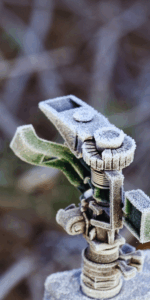 You only need a few items to protect your irrigation system.
- Air compressor (proper PSI).
- Insulation tape or foam covers.
- Screwdrivers and wrenches.
- Hose adapter for blow-out.
- Backflow insulation bag.
Signs Your Sprinkler System Was Not Winterized Correctly
These signs show that remaining water froze in the system or that pressure built up in the wrong place.
- Water leaking from backflow preventer.
- Constant puddling near valve boxes.
- Zones that won’t activate in spring.
- Cracked PVC near the surface.
- Hissing sounds or low pressure.
Common Winterization Mistakes Dallas Homeowners Make
It’s easy to miss one step and deal with freeze damage later.
- Forgetting to drain the backflow device.
- Over-pressurizing lines with an air compressor.
- Using the wrong insulation materials.
- Leaving the controller running through winter.
- Not addressing small leaks before freezing temps hit.
When Should You Winterize Your Sprinkler System in Dallas?
Late October through mid-November is the best window for system winterization. Cold snaps arrive fast in North Texas, often with little warning.
If you missed that window, emergency winterization may still limit damage. The key is to drain the system as soon as freezing temperatures appear in the forecast.
FAQ: Sprinkler Winterization in Dallas, TX
How early should I winterize my sprinkler system in Dallas?
Late October through mid-November works for most years.
Do sprinkler systems really freeze in North Texas?
Yes. Short cold bursts freeze the water inside pipes even when days stay warm.
Can I winterize my irrigation system without an air compressor?
You can drain the system with manual drains, but compressed air clears more water.
How much does sprinkler winterization cost in Dallas?
Most services fall in a mid-range price, based on system size and backflow type.
What happens if I skip winterization for one year?
You risk cracked pipes, leaks, and backflow repairs in spring.
Does a smart controller mean I don’t need winterization?
No. A controller stops watering but cannot drain the system.
Can I run my sprinklers during winter to protect the lawn?
You can run them, but the system still needs to be drained before freezing temperatures.
Professional Sprinkler Winterization vs. DIY
DIY works for small systems with clear manual drains. You need a pro when the system cannot drain on its own or when the backflow preventer needs expert handling.
Mistakes here create expensive repairs, and freeze damage spreads fast through connected lines.
Get No-Nonsense Sprinkler Winterization in Dallas
 If you want a simple way to avoid freeze damage, let a pro handle it. Our team drains the system, clears each zone, and protects every part before cold weather hits.
Lawn Sense means no nonsense. We offer fast sprinkler winterization, freeze protection for every component, and honest pricing with no upsells. Book your service today.