If your grass looks dry even after watering, the problem is usually water not reaching the roots, poor soil conditions, shallow root systems, irrigation issues, or environmental stress. Watering alone doesn’t guarantee healthy grass—your lawn has to absorb and use that water effectively.
That’s where most people get stuck. The water is going down, but the grass still looks stressed.
This guide breaks down what’s actually going wrong, how to identify the issue quickly, and what to adjust so your lawn starts holding moisture instead of drying out again.
Quick Takeaways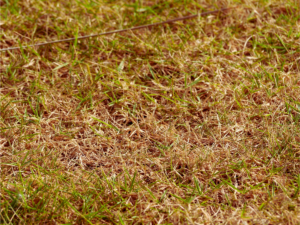
- Grass can look dry even after watering if water isn’t reaching the root zone
- Compacted soil and poor soil conditions block water absorption
- Shallow roots dry out faster, even with regular watering
- Overwatering can be just as harmful as underwatering
- Irrigation systems don’t always distribute water evenly
- Fixing the cause matters more than watering more often
Why Your Grass Still Looks Dry After Watering
Grass health is all about what’s happening below the surface.
If water doesn’t soak in—or doesn’t reach deep enough—the roots never get what they need. The result? Dry, stressed grass even after you’ve just watered.
Most of the time, the issue falls into one of four buckets:
- soil absorption problems
- root depth issues
- watering habits
- irrigation system problems
Once you know which one you’re dealing with, the fix becomes a lot more obvious.
What’s Preventing Water From Reaching Your Grass
Before jumping into specific causes, it helps to understand where things break down.
Water doesn’t always behave the way you expect. It can:
- run off instead of soaking in
- get blocked by compacted soil
- evaporate before it has time to water penetrate deeper layers
So even if you’re watering regularly, your lawn might not actually be getting hydrated where it matters.
6 Reasons Your Grass Looks Dry Even After Watering
1. The Soil Is Compacted
When soil gets hard and dense, water can’t move through it.
- water sits on the surface or runs off
- roots can’t push deeper into the ground
- moisture never reaches where it’s needed
This is one of the most common reasons lawns stay dry.
Fix: Aerate the lawn to break up compacted soil and allow water to move deeper.
2. Water Isn’t Reaching the Root Zone
A quick watering session might make the surface look wet, but that doesn’t mean the roots are getting anything.
- shallow watering only wets the top layer
- roots stay near the surface
- grass dries out fast between watering
Fix: Water deeply and less often. This encourages roots to grow deeper and hold moisture longer.
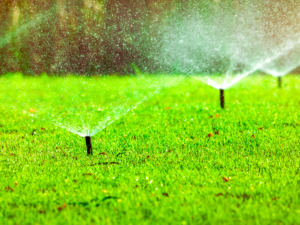
3. Your Irrigation System Isn’t Distributing Water Evenly
Even a good system can miss spots.
- sprinkler heads may be misaligned
- some areas get too much water, others not enough
- coverage isn’t consistent across the lawn
This creates dry patches that never fully recover.
Fix: Check your sprinkler heads and adjust your system so water is distributed evenly across all zones.
4. You’re Watering Too Often (or Not Enough)
Watering isn’t just about frequency—it’s about balance.
- overwatering leads to weak, shallow roots
- underwatering leaves soil dry
- inconsistent schedules stress the lawn
Either extreme can leave your grass looking dry.
Fix: Stick to a consistent schedule that matches your lawn’s needs and weather conditions.
5. The Root System Is Too Shallow
If roots never grow deep, your lawn becomes dependent on constant watering.
- roots stay close to the surface
- grass dries quickly in heat
- the lawn struggles to stay green
Fix: Encourage deeper roots with proper watering and improved soil health.
6. Heat and Environmental Stress
Sometimes, the environment is the biggest factor.
- high temperatures speed up evaporation
- wind dries soil faster
- shaded areas behave differently than sunny ones
Even with good watering habits, these conditions can work against you.
Fix: Adjust your watering timing and protect your lawn during extreme heat when possible.
How to Figure Out What’s Actually Causing the Problem
 Instead of guessing, take a step back and look at the patterns.
Ask yourself:
- Is water pooling or running off?
- Does the soil feel dry just below the surface?
- Are some areas greener than others?
- Does the lawn bounce back after watering—or stay dull?
These answers usually point you straight to the issue.
How to Fix a Lawn That Stays Dry After Watering
Once you know what’s wrong, the solution becomes much simpler.
Focus on improving the conditions:
- loosen soil to improve absorption
- adjust watering depth and timing
- fix or realign your irrigation system
- encourage deeper root growth
- reduce environmental stress where possible
You don’t need more water—you need your lawn to actually use the water it’s getting.
How to Water Your Lawn the Right Way
Watering correctly makes a bigger difference than most people think.
- Best time of day: early morning, before heat builds
- How long to water: long enough to soak several inches into the soil
- How to check moisture: dig a few inches down—don’t rely on the surface
- Signs of overwatering: soggy soil, weak growth
- Signs of underwatering: dry soil, dull or brittle grass
Done right, watering should support deep roots—not just wet the surface.
FAQ About Grass Looking Dry After Watering
Why does my grass still look dry after watering?
Because the water isn’t reaching the root zone. This usually comes from compacted soil, shallow watering, or poor absorption.
How do I know if my lawn is getting enough water?
Check below the surface. If the soil is dry a few inches down, your lawn isn’t getting enough water—even if the top looks wet.
Can overwatering make grass look dry?
Yes. Overwatering can weaken roots and prevent them from growing deep, which makes the lawn more sensitive to heat and stress.
How deep should I water my lawn?
Water should reach at least 4–6 inches into the soil to support healthy root growth.
What’s the best time of day to water grass?
Early morning is best. It allows water to soak in before heat and evaporation increase.
Get a Healthier Lawn with Lawn Sense
 Homeowners across Dallas, TX and surrounding areas trust Lawn Sense to fix lawn issues at the source. Our lawn care and fertilization services are designed to improve soil health, strengthen root systems, and help your lawn retain moisture the way it should.
We don’t just add more water—we make sure your lawn can actually use it.
At Lawn Sense, we keep things simple and effective—because Lawn Sense means no nonsense.
If your grass still looks dry after watering, we’ll help you fix the real problem.