If your grass seed isn’t growing, it usually comes down to watering issues, poor soil conditions, bad timing, lack of soil contact, low-quality seed, or environmental stress. Grass seed needs the right mix of moisture, temperature, and soil conditions—miss one, and it struggles to germinate.
You’re not alone here. A lot of homeowners assume they just need more seed, but that’s rarely the issue. The real problem is usually conditions, not quantity.
In this guide, you’ll learn what’s going wrong, how to spot it, and what to adjust so your seed actually takes root instead of sitting there doing nothing.
Quick Takeaways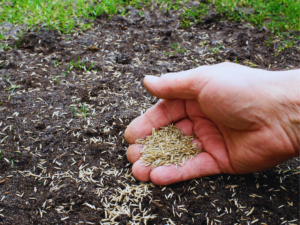
- Grass seed needs consistent moisture, proper soil contact, and the right temperature
- Most failures come from watering mistakes or poor timing
- Seed sitting on top of soil rarely grows
- Soil conditions matter just as much as the seed itself
- Fixing the issue matters more than reseeding again
- Not all seed is worth planting
What Grass Seed Actually Needs to Grow
Before getting into what’s going wrong, it helps to understand what has to go right.
For successful seed growing, four things have to line up:
- consistent moisture (not soaked, not dry)
- solid soil contact
- proper soil temperatures
- enough time without disruption
If one of these is off—even slightly—the seed germinates slowly or not at all. Keep that in mind as you go through the next section. You’re really just trying to figure out which one is missing.
6 Reasons Your Grass Seed Isn’t Growing
1. You’re Not Watering It the Right Way
This is the most common issue, by far.
- watering too little → the seed dries out before it can start seed growth
- watering too much → the seed rots or gets washed away
- inconsistent schedule → interrupts the germination process
Grass seed doesn’t need heavy watering. It needs consistency.
Fix: Water lightly and frequently. The goal is to keep the top layer of soil damp at all times—not soaked.
2. The Soil Isn’t Set Up for Growth
Even the best seed won’t grow in bad soil.
- compacted soil blocks root development
- poor drainage leads to pooling water
- low nutrients limit early growth
If the soil is hard or lifeless, the planted grass seed doesn’t stand much of a chance.
Fix: Loosen the soil before seeding. Add topsoil or compost to improve structure and nutrients. Better soil = better chances of success.
3. You Planted at the Wrong Time
Timing matters more than most people think.
- soil too cold → seed sits dormant
- soil too hot → seed dries out or fails
- wrong season for your types of grass
For example, cool-season grass struggles in summer, while warm-season grass won’t perform well in cooler conditions.
Fix: Pay attention to soil temperatures, not just the calendar. Match your seed type to the season and climate.
4. The Seed Isn’t Touching the Soil
This one gets overlooked all the time.
- seed sitting on top of soil
- no raking or coverage
- wind or birds moving seed
If the seed isn’t in contact with soil, it won’t absorb moisture—and it won’t grow.
Fix: Lightly rake the area after spreading seed or apply a thin layer of topdressing. Good contact is critical for seed growth.
5. The Seed Quality Isn’t Great
Not all seed is created equal.
- old seed loses viability
- low germination rates reduce results
- wrong grass type for your region
If you’re buying grass seed, quality matters. Cheap seed often leads to poor results.
Fix: Use fresh, high-quality seed suited to your region and lawn conditions. This alone can improve your success rate.
6. Weather Is Working Against You
Sometimes, the environment just isn’t cooperating.
- heat dries soil too fast
- heavy rain washes seed away
- shade limits growth
Even if everything else is right, weather can slow or stop progress.
Fix: Adjust your timing or protect the area. Light mulch, controlled watering, and better planning can improve outcomes.
How to Figure Out What’s Actually Wrong
 At this point, it’s less about guessing and more about narrowing things down.
Ask yourself:
- Is the soil staying consistently moist?
- Is the seed still sitting on top of the surface?
- Are soil temperatures in the right range for your grass type?
- Is anything growing at all, or is it completely bare?
Answering these questions usually points you straight to the problem.
How to Fix Grass Seed That Isn’t Growing
Once you know what’s wrong, the fix becomes straightforward.
Focus on correcting the conditions:
- adjust your watering schedule
- improve soil contact
- reseed at the right time
- use better seed
- improve overall soil conditions
The key is not to repeat the same mistake. Fix the environment first—then reseed if needed.
When It’s Time to Start Over
Sometimes, it’s not worth trying to salvage.
You’re better off starting fresh if:
- the seed dried out completely
- heavy rain washed everything away
- nothing has germinated after the expected timeline
At that point, reseeding with better conditions will save you time and frustration.
When to Call a Lawn Care Professional
Some lawns need more than basic adjustments.
It might be time to call a professional if:
- you’ve had repeated seeding failures
- large sections of the lawn won’t grow
- soil or drainage issues are obvious
- you’re dealing with a full lawn renovation
A professional can evaluate the entire system—not just the seed.
FAQ About Grass Seed Not Growing
How long does grass seed take to grow?
Most grass seed begins to sprout within 5 to 21 days, depending on the types of grass and conditions. Full establishment takes longer.
Will grass seed grow if I just throw it down?
Usually not. Without proper soil contact, the seed won’t absorb moisture, which means it won’t germinate effectively.
How often should I water new grass seed?
Light, frequent watering is best. The goal is to keep the top layer of soil consistently moist throughout the germination period.
What temperature does grass seed need to grow?
Most grass seed grows best when soil temperatures are between 55°F and 75°F, depending on the variety.
Can grass seed go bad?
Yes. Seed loses viability over time, especially if stored improperly. Old seed reduces your chances of success significantly.
Get Your Lawn Growing with Lawn Sense
 Homeowners across Dallas, TX and surrounding areas trust Lawn Sense to get their lawns growing the right way. Our lawn care and fertilization services focus on fixing the underlying issues—soil, timing, and conditions—so your grass actually grows instead of failing again.
We don’t just throw down seed and hope for the best. We make sure the conditions are right from the start.
At Lawn Sense, we keep things simple and effective—because Lawn Sense means no nonsense.
If your grass seed isn’t growing, we’ll help you figure out why—and fix it the right way.