Grass may turn yellow due to low nutrients, poor watering, compacted soil, disease, pests, heat stress, or seasonal dormancy. Identifying the pattern of yellowing and addressing the underlying cause is the key to restoring a healthy green lawn.
Yellow grass is a symptom, not a diagnosis.
That matters because several lawn problems can look almost identical from the sidewalk. A dry lawn can turn yellow or brown. A lawn with a nutrient deficiency can fade from deep green to pale yellow. A lawn with fungal diseases, chinch bugs, or soil problems can develop yellow patches that spread if ignored.
So before you dump fertilizer on the lawn and hope for the best, slow down. Your grass is telling you something. You just need to figure out what.
Quick Takeaways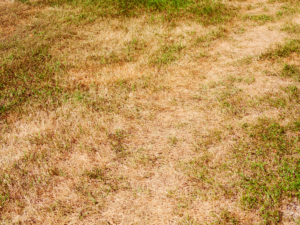
- Yellow grass is often caused by watering issues, nutrient deficiencies, or soil problems
- The pattern of yellowing can help identify the cause
- Nitrogen deficiency is one of the most common reasons grass loses its green color
- Dallas heat and clay soils can contribute to lawn stress
- Soil testing can reveal hidden nutrient and pH issues
- Early diagnosis helps prevent permanent lawn damage
The Lawn Sense Yellow Lawn Checklist
The Lawn Sense Yellow Lawn Checklist helps homeowners narrow down the most likely cause before applying treatments. This simple process keeps you from guessing, wasting money, or making the problem worse.
Check Watering First
Start with water because moisture problems cause many yellow lawn issues.
If the grass blades feel dry, brittle, or crispy, your lawn may not be getting enough water. If the soil feels soggy, you may be overwatering. If water stays in the area long after irrigation, overwatering may be the problem.
Uneven watering can also create patchy yellow spots. One area may get enough water, while another dries out due to a clogged sprinkler head. It can also happen from a poor spray pattern, low pressure, or poor irrigation coverage.
Check Fertilizer History
Next, look at your fertilizer schedule.
Grass needs nutrients to grow thick and green, but more fertilizer does not always mean better results. Too little fertilizer can cause pale color and weak growth. Too much fertilizer can burn grass blades and turn sections yellow or brown.
If your lawn has not received proper nutrients in a while, a nutrient deficiency may be causing the color change. Nitrogen deficiency is especially common because nitrogen helps keep grass green and growing.
Check Soil Conditions
Healthy grass starts with healthy soil.
Compacted soil, poor drainage, low organic matter, and poor soil pH can all affect how well your lawn absorbs nutrients and water. A lawn may receive fertilizer and irrigation but still struggle because the roots cannot use what is available.
That is why soil testing matters. It can show whether your lawn has nutrient problems, pH issues, or other soil conditions that limit healthy growth.
Check for Disease or Pests
Fungal diseases, chinch bugs, grubs, and other pests can also cause grass turning yellow.
Look for irregular yellow patches, thinning turf, chewed roots, or areas that pull up easily. Pests and diseases often spread when lawns are stressed by heat, poor watering, or weak root systems.
Check for Seasonal Stress
Dallas lawns deal with intense summer heat. During hot, dry stretches, grass may fade, slow down, or enter dormancy to survive.
Seasonal stress can make grass look yellow or brown even when the lawn is not dead. The key is knowing whether the lawn is temporarily stressed or actively declining.
Nutrient Deficiencies That Cause Yellow Grass
Nutrient deficiencies are one of the most common reasons grass loses color. When soil lacks the right nutrients, the lawn cannot produce strong growth or maintain a rich green appearance.
Nitrogen Deficiency
Nitrogen helps grass grow and maintain its green color. When nitrogen levels run low, grass often turns pale green or yellow.
A nitrogen deficiency may affect large sections of the lawn rather than one small spot. Growth may also slow down, and the turf may look thin or tired.
Fertilization can help, but only when applied correctly. Too much nitrogen can burn the lawn or create weak, fast top growth without supporting deeper roots.
Iron Deficiency
Iron deficiency can also cause yellow grass, especially when grass blades turn yellow while the veins remain greener.
This problem often connects to soil pH. If the soil pH is too high, grass may struggle to absorb iron even when iron is present in the soil.
Soil pH Problems
Soil pH affects nutrient availability. When pH falls outside the ideal range, grass roots may not absorb nutrients properly.
This can make a lawn look underfed even after fertilizer applications.
If your lawn turns yellow after fertilizing, considering testing your soil. A soil test can show whether pH or nutrient issues are blocking results.
Watering Problems That Turn Grass Yellow
 Watering problems can quickly turn healthy grass yellow, especially in Dallas heat.
Underwatering causes dry, brittle grass blades. Overwatering can suffocate roots, encourage fungal diseases, and cause weak turf. Uneven sprinkler coverage can create yellow patches where the lawn does not receive enough moisture.
Common watering-related causes include:
- Underwatering
- Overwatering
- Uneven sprinkler coverage
- Irrigation system problems
If only one area turns yellow, check the sprinkler coverage first. A simple irrigation issue can look like a fertilizer problem when the real issue is poor water distribution.
Soil Problems That Affect Lawn Color
Soil controls how well grass roots access water, oxygen, and nutrients. When soil conditions are poor, grass often shows stress through yellowing, thinning, or slow growth.
Soil Compaction
Compacted soil limits root growth and reduces water movement.
This often happens in high-traffic areas where people, pets, or equipment repeatedly press down the soil. Grass in compacted areas may turn yellow because roots cannot breathe or spread properly.
Poor Drainage
Poor drainage can leave roots sitting in wet soil for too long. That reduces oxygen around the root zone and creates conditions that favor fungal diseases.
If grass turns yellow in low spots or areas that stay soggy, drainage may be part of the problem.
Low Organic Matter
Organic matter helps soil hold nutrients and support healthy microbial activity. When organic matter is low, soil may struggle to support strong turf growth.
Improving soil health can help prevent yellow grass over time, especially when paired with proper fertilization and watering.
Lawn Diseases and Pests
Lawn diseases and pests can turn grass yellow when they damage blades, crowns, or roots.
Fungal diseases often appear during humid conditions, overwatering, poor drainage, or heavy thatch buildup. Yellow patches may spread or develop irregular shapes.
Pests can cause similar damage. Chinch bugs, grubs, and other insects feed on grass or roots, leaving turf weak, discolored, and thin.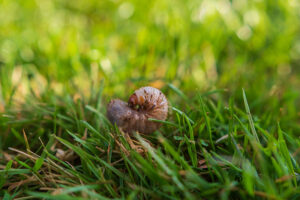
Watch for:
- Yellow or brown patches that expand
- Grass that pulls up easily
- Visible insects near the soil surface
- Chewed roots
- Spots that do not improve with watering
When pests and diseases are involved, guessing rarely works. The right fix depends on the actual cause.
How Dallas Weather Can Cause Yellow Grass
Dallas weather can punish lawns. Long heat waves, dry conditions, heavy clay soil, and intense sun can all contribute to yellow grass.
During summer, grass may lose color because heat increases moisture demand. If irrigation does not keep up, the lawn may turn yellow or brown.
Clay soil adds another challenge. It can hold water tightly but still resist deep infiltration when compacted. That means water may run off instead of reaching the roots.
Seasonal dormancy can also cause temporary yellowing. Warm-season grasses may slow down or fade during extreme stress, then recover when conditions improve.
When Yellow Grass Is a Sign You Need Professional Help
Some yellow grass problems are easy to fix. Others need a closer look.
You may need professional lawn care help if:
- Yellowing continues despite proper watering
- Fertilizer is not improving color
- Large sections of lawn are affected
- Disease or pest activity is suspected
- Yellow patches keep coming back
- The lawn feels thin, weak, or spongy
Persistent yellow grass usually means the lawn has a deeper issue. It may need soil testing, targeted fertilization, pest control, irrigation adjustments, or a full lawn health plan.
How to Prevent Grass From Turning Yellow
The best way to prevent yellow grass is to build a stronger lawn before stress hits.
Start with a proper fertilization schedule. Grass needs consistent nutrients during the growing season, but the type and timing matter.
Water deeply and consistently instead of shallow, frequent watering. Deep watering encourages deeper roots and better drought resistance.
Keep mowing habits in check, too. Proper mow heights help protect grass from heat stress. Cutting too short can scalp the lawn, weaken roots, and make grass more likely to turn yellow.
To prevent yellow grass, focus on:
- Following a proper fertilization schedule
- Testing soil regularly
- Watering deeply and consistently
- Reducing compaction
- Maintaining healthy mow heights
- Watching for fungal diseases and pests
- Fixing irrigation problems early
A healthy lawn handles stress better. That is the whole game.
FAQ
Will yellow grass turn green again?
Yes, yellow grass can turn green again if the crown and roots are still alive. The right fix depends on the cause. Watering problems, nutrient deficiencies, and soil issues can often be corrected with proper lawn care.
Can too much fertilizer cause yellow grass?
Yes. Too much fertilizer can burn grass blades and turn the lawn yellow or brown. Fertilizer should match the lawn’s nutrient needs, soil conditions, grass type, and seasonal growth pattern.
How do I know if yellow grass needs fertilizer?
Yellow grass may need fertilizer if it shows pale color, slow growth, and thinning across large sections. However, soil testing is the best way to confirm a nutrient deficiency before applying fertilizer.
Can sprinkler problems cause yellow patches?
Yes. Sprinkler problems can cause yellow patches when part of the lawn does not receive enough water. Clogged heads, poor pressure, broken lines, and uneven coverage can all create dry spots.
Should I test my soil if my grass is turning yellow?
Yes, soil testing is a smart step if your grass keeps turning yellow or does not respond to fertilizer. A soil test can identify nutrient deficiencies, soil pH problems, and other conditions that affect lawn color.
Restore a Healthier, Greener Lawn
 Yellow grass often points to deeper lawn health issues that require more than guesswork to fix. Lawn Sense provides professional lawn fertilization services throughout Dallas, TX, helping homeowners identify nutrient deficiencies, improve soil conditions, and restore healthy turf growth.
If your lawn is losing color, struggling to grow, or not responding to fertilizer, contact Lawn Sense today. Lawn Sense means no nonsense.