Homeowners hear “backflow preventer” and think it sounds like a problem for someone else. Then a sprinkler inspection fails, a notice shows up, and suddenly it matters.
Choosing the wrong device can lead to fines, delays, or worse, water contamination. This guide compares PVB vs RPX specifically for sprinkler systems, without noise or sales talk.
Quick Takeaways
- PVB protects against back-siphonage only and is commonly used for residential sprinkler systems
- RPX (RPZ) protects against back-siphonage and back-pressure and is required for high-risk systems
- RPX provides higher protection but costs more and requires drainage
- Local plumbing codes often decide whether PVB or RPX is allowed
- Annual testing and repairs are required for both devices
What Is a PVB (Pressure Vacuum Breaker)?
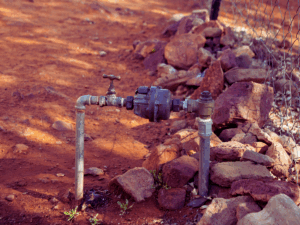 A PVB is a simple backflow device designed to stop dirty water from flowing backward into clean water lines. It works well in low-risk sprinkler systems and remains common in residential yards across Dallas.
How a PVB Works
A PVB uses an air inlet valve and a spring-loaded check valve. When pressure drops, the air inlet opens and breaks the vacuum.
This action stops contaminated water from siphoning back into the supply. It does one job, and it does it well. It does not protect against back-pressure.
Where PVBs Are Commonly Used
You will usually see PVBs on standard residential sprinkler systems. They work well for lawn irrigation that does not inject fertilizer or chemicals.
They fit systems that rely on basic water flow without pumps. These are low-risk setups, and the device matches the risk.
PVB Installation Requirements
A PVB must sit above ground. It must also sit higher than the downstream piping.
Gravity matters here. A PVB cannot work where back-pressure exists. If the system can push water backward, a PVB cannot stop it.
What Is an RPX (Reduced Pressure Backflow Preventer)?
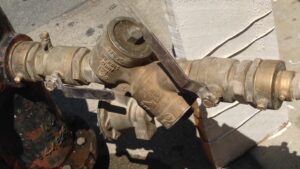 An RPX offers broader protection. It handles higher risk and more system stress. When codes call for stronger defense, this is the device inspectors expect to see.
How an RPX Works
An RPX uses two independently acting check valves and a pressure-monitored relief valve. If pressure drops or a valve fails, the relief valve opens and dumps water.
That discharge tells you something went wrong. It also keeps contaminated water out of the supply.
Where RPX Devices Are Required
RPX devices appear on commercial irrigation systems and systems that inject fertilizer or pesticides. You will also find them on setups with pumps or pressure changes. These systems create back-pressure risk, and codes treat them as high hazard.
RPX Installation Requirements
An RPX needs proper drainage because it can release water during failure. It can sit above ground or below ground in a vault. Either way, the discharge must move safely away from structures. Installation planning matters more with RPX devices.
Which Is Better for Sprinkler Systems?
Neither device is “better” in all cases. The system decides. The risk decides. Local code finishes the argument.
When a PVB Is Usually Enough
A PVB works for standard residential lawn irrigation. No fertilizer injection. No pumps. No pressure shifts. Gravity-fed water supply. Simple system. Clean inspection.
When an RPX Is Required
An RPX becomes required when fertilizer or pesticide injection enters the system. Pumps also push systems into RPX territory.
Commercial layouts and large multi-zone systems often trigger RPX requirements. Local code can override everything else.
Common PVB and RPX Problems That Require Repair
Backflow devices fail quietly at first. Then they do not.
Signs Your Backflow Preventer Is Failing
- Water leaking from the relief valve
- Failed annual backflow test
- Noticeable drop in water pressure
- Visible corrosion or rust on the device
- Cracks or damage from freezing, even after mild winters
Why Backflow Repairs Can’t Wait
- Failed inspections can shut down sprinkler use
- Code violations can lead to fines or reinspection fees
- Contaminated water can affect homes and nearby properties
- Some systems stop operating until repairs are completed
- Delaying repairs never fixes the problem and often makes it worse
Professional Sprinkler Backflow Repair Matters
Certified technicians handle testing, repairs, and rebuilds for a reason. A simple adjustment may fix one device. Another may need a full rebuild.
Paperwork matters as much as parts. Inspectors expect proper documentation, not guesses.
Backflow repair is not a place for trial and error. It is a place for clear steps and clean results.
FAQ: PVB vs RPX
Is an RPX better than a PVB?
An RPX offers higher protection. It is not always required. Many residential sprinkler systems only need a PVB.
Can I replace a PVB with an RPX?
Yes, but only if the system and code allow it. An RPX needs drainage and proper installation space.
Do sprinkler systems require annual backflow testing?
Yes. Most local codes require yearly testing for both PVB and RPX devices.
Why does my RPX discharge water?
Discharge usually means pressure imbalance or valve failure. The device is doing its job by preventing contamination.
How do I know whether a PVB or RPX is required?
Local plumbing code decides. System design and risk level guide the choice. A certified inspection gives the final answer.
Need Sprinkler Backflow Repair or Testing?
 Lawn Sense provides certified sprinkler backflow testing and repair across Dallas, TX and nearby areas. We fix failed inspections fast.
We handle repairs the right way. We provide clean, code-ready documentation.
Lawn Sense means no nonsense.
If your sprinkler system failed a backflow test or needs annual service, schedule sprinkler backflow repair with Lawn Sense today.